Items
Item set
Mapping Ann-Marie MacDonald
-

War Criminals in Canada
"Soon after World War II ended, rumors started that Nazi war criminals were living in Canada. Ever since, accusations have kept popping up, yet no matter how detailed and credible the claims, these alleged war-time torturers and murderers were permitted to remain in Canada. Ten years ago, Ottawa belatedly started pursuing people accused of committing horrible crimes during the Holocaust. It has been a frustrating, largely futile effort. Yet the RCMP and the Justice Department continue to investigate, even though the war has been over for more than 50 years, even though the suspects are now very old and virtually unpunishable if found guilty. War Criminals in Canada chronicles many of the infamous and lesser-known cases. But how did these suspects get past immigration authorities? Why did the Canadian government wait so long to act? Why have prosecutors been unsuccessful so far? Should the chase end soon, or should it continue until the last suspect is dead?" - From Amazon -
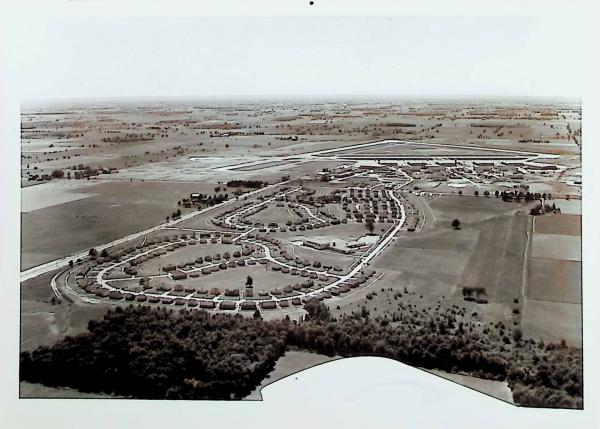
Picture of RCAF Centralia Ontario
Back of image has RCAF... (to finish) -

None is Too Many
-
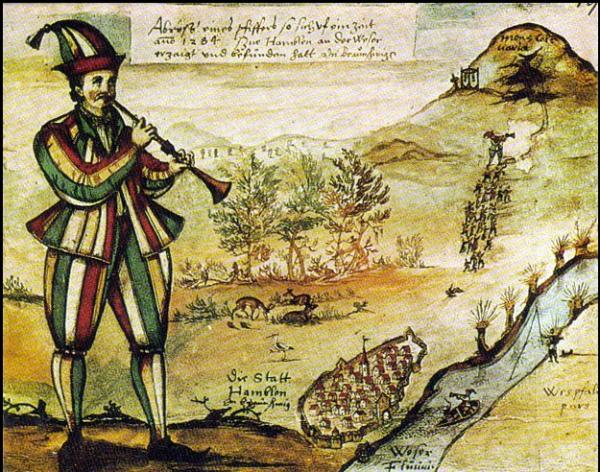
The Pied Piper of Hamelin
The oldest picture of the Pied Piper copied from the glass window of the Market Church in Hameln/Hamelin Germany (c.1300-1633). The first six stanzas of The Pied Piper of Hamlin can be found at Omeka ID 18086 -
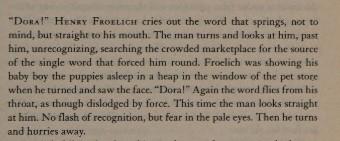
Dora in WTCF
Screenshot from text -
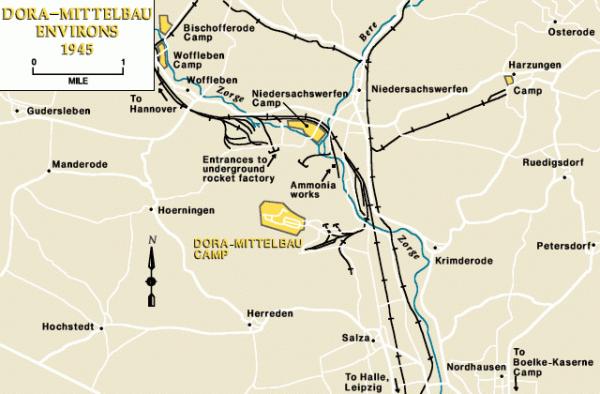
Map of Dora-Mittelbau concentration camp subcamps
Dora-Mittelbau Environs. Dora-Mittelbau was a concentration camp in central Germany near southern Harz Mountains. Short description from Holocaust Encyclopedia: "It was originally a subcamp of Buchenwald. Prisoners from Buchenwald were sent to the area in 1943 to begin construction of a large industrial complex. In October 1944, the SS made Dora-Mittelbau an independent concentration camp with more than 30 subcamps of its own." -
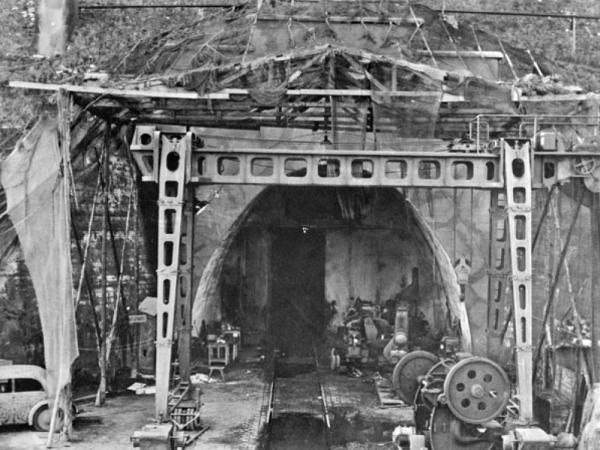
Dora-Mittelbau Entrance
Entrance to Dora-Mittelbau photographed by US Army after 1945 liberation