-
 ‘Brain Drain’ in Niagara: Evaluating STEM talent retention through a survey of post-secondary graduates
This report explores the post-graduation experience of recent graduates in Science, Technology, Engineering, and Mathematics (STEM) programs from Brock University and Niagara College. Through a survey, it aims to shed light on talent retention patterns in the Regional Municipality of Niagara. This includes whether graduates are choosing to live and work in the region following graduation, and what factors are influencing their decision. The report finds that while half of graduates continue to live in Niagara, nearly two-thirds are working in jobs outside of the region. Among those currently working outside Niagara, the critical factors in their decision to pursue employment elsewhere were job opportunity, compensation, and the perceived competitiveness of local firms. Graduates agree that more career opportunities, affordable and attainable housing, and connected public transit would help to improve the post-graduation experience of Brock University and Niagara College alumni.
-
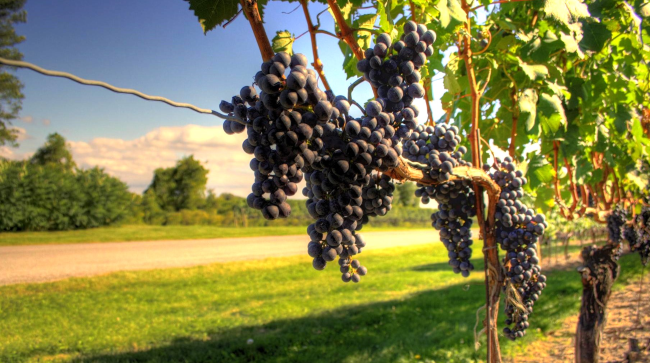 Changing the Narrative: Unlocking the Economic Assets of Niagara in a Changing World
This report aims to shed light on Niagara’s evolving economy by investigating the opinions of local stakeholders. Drawing on interviews with policymakers and the private sector, it explores the opportunities and challenges that face Niagara’s regional economy, and the role that policy can play in encouraging economic development. The report finds that Niagara’s economy is at a turning point, and that stakeholders are eager to tell a new story that positions the region as the place to be for emerging industries at the intersection of agriculture, tourism, and advanced manufacturing. At the same time, growth in these industries is hampered by institutional, cultural, and political barriers. The report thus concludes by providing a series of recommendations for policymakers and other stakeholders within Niagara.
-
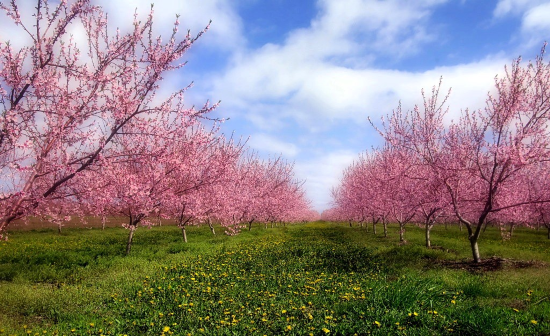 The Next Frontier of Economic Development in Niagara: From Concierge to Orchestrator of Change
This report is the final part of a two-year project with a two-fold goal: first, to map the economic history and assets of the Niagara region over the past 150 years; second, to analyze the region’s current and emerging economic trends, focusing on industrial strengths and constraints against the backdrop of ever-shifting provincial, national and global trends, opportunities and challenges. These two goals, taken together, mean that the project is partly a narrative of Niagara’s socioeconomic history and partly an analysis of the region’s current and future trajectory as an economic hub and an innovation ecosystem in a changing world.
-
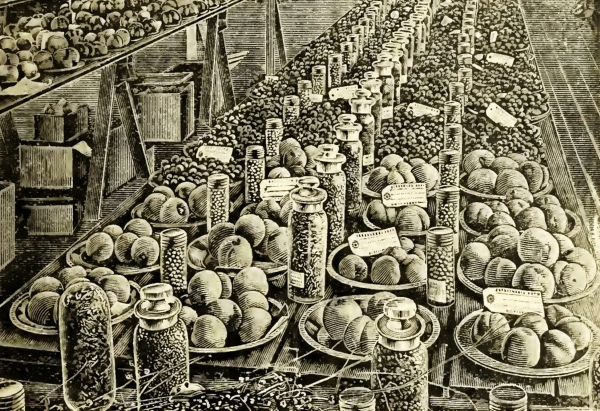 Temporary Labourers on Niagara Fruit Farms: The role of the Haudenosaunee people
Temporary labourers are a vital component of Niagara’s fruit industry today, and they have been throughout much of history. The Haudenosaunee people from the Six Nations Reserve at the Grand River came to the region to work during harvest as a critical part of the region’s labour force.
-
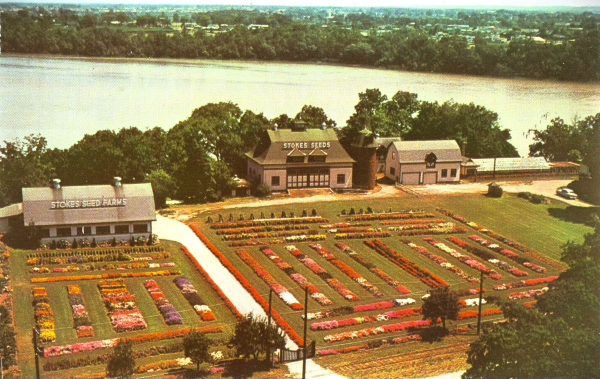 Stokes Seeds
 was founded in New Jersey in 1878 by Johnson & Stokes Seed Company. It branched into Canada in 1927, led by Harry Gale, first by supplying vegetable seeds to commercial growers in the northeastern United States and Southern Ontario. Gale turned the farm on Martindale Road in St. Catharines into a seed-planting and testing facility, and the family continues to operate the company within Niagara to this day.
-
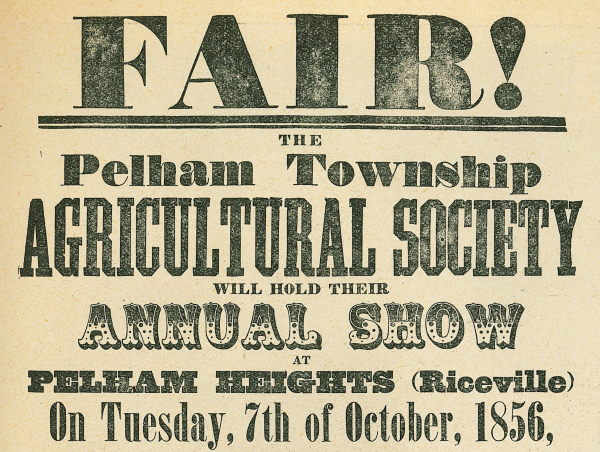 The Pelham Township Agricultural Society Fair
, later known as the Fenwick Fair, was held annually, beginning in 1856 in small farming communities like Riceville and Fenwick. These fairs provided opportunities for farmers in Niagara to gather and show off the fruits of their labour (literally), while including the community and helping them appreciate what it meant to be a Niagara farmer. The goal of agricultural societies was to stimulate agricultural improvement within the community.
-
 Niagara Parks School of Horticulture
The Niagara Parks Commission (NPC) School of Horticulture was established in 1936 to teach apprentice gardeners. In fact, it was originally called the NPC’s Training School for Apprentice Gardeners. Its site is now known to tourists as the Niagara Parks Botanical Gardens and is also home to the Butterfly Conservatory.
-
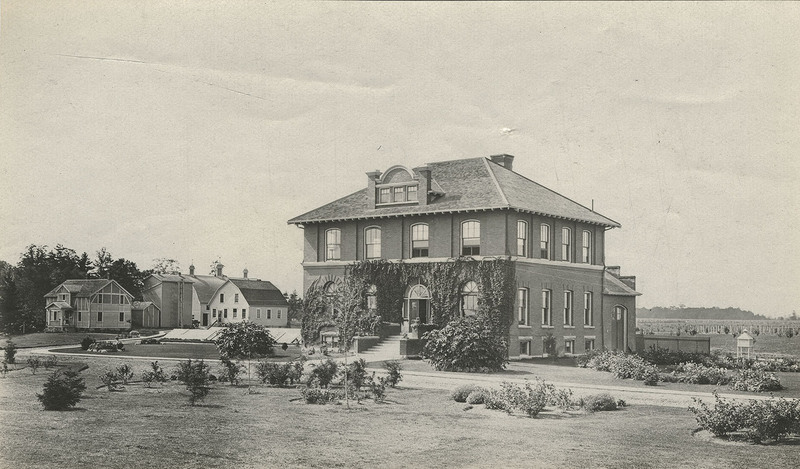 The Horticultural Experiment Station
 in Vineland, Ontario was founded in 1906 to develop, test, and introduce plant varieties, particularly fruits, as well as to produce virusfree stock for Ontario farmers. It continues to make inroads in the region’s agri-food sector today as the Vineland Research and Innovation Centre.
-
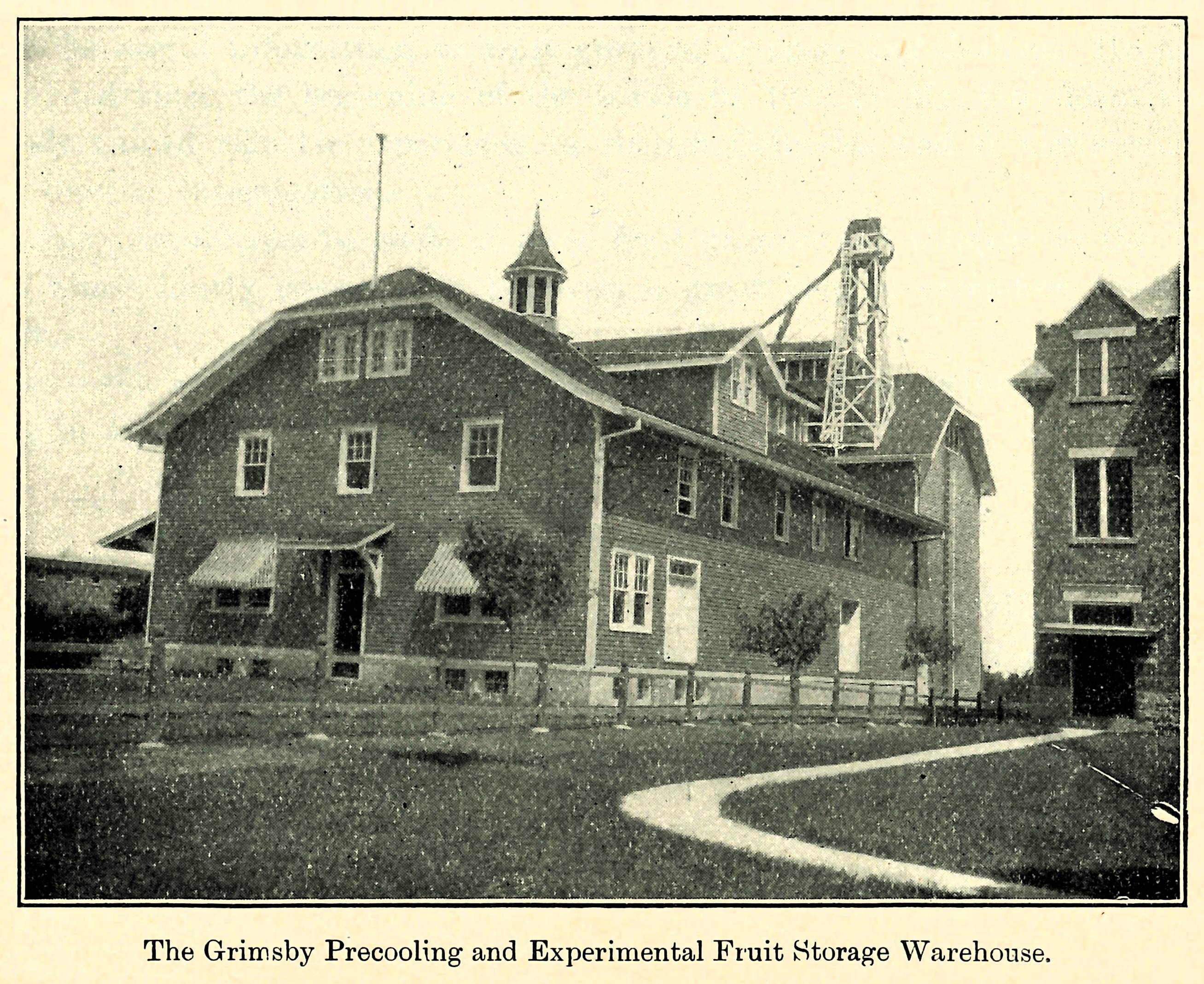 Growers’ Cold Storage and Ice Plant in Grimsby
In the early 1900s, Grimsby’s Growers’ Cold Storage and Ice Plant became one of the first locations in Canada where artificial refrigeration was used to cool produce. It was funded by the federal Department of Agriculture in 1914 asan experimental pre-cooling facility for fruit to be stored a few days before being shipped.
-
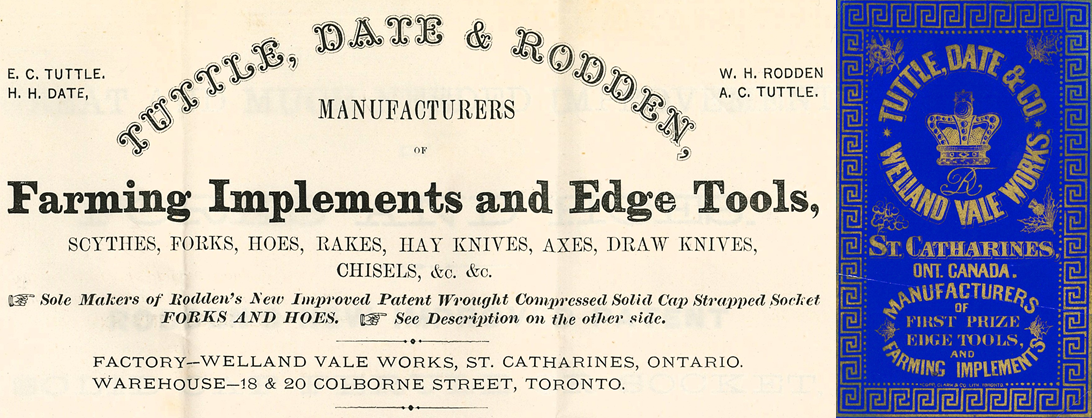 Grimsby Agricultural Works and Innovations of the Late 1800s
Grimsby Agricultural Works (also referred to as Grout Agricultural Works) is an example of Niagara’s influence in Ontario’s broader agricultural sector at a time when wheat was still the dominant crop. Technological advancements and agricultural education were essential parts of the growth of Ontario’s agricultural sector after 1850.
-
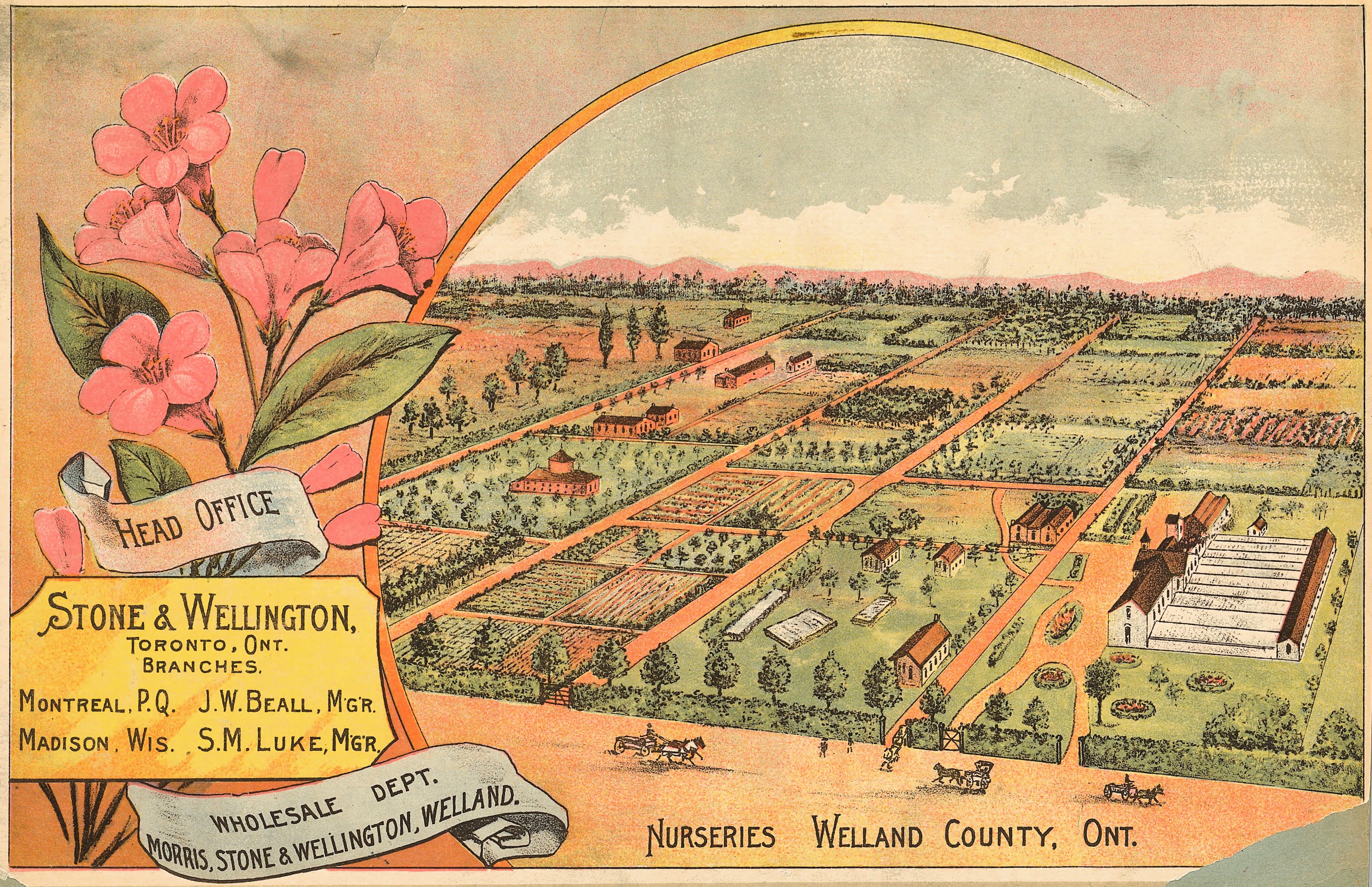 Morris, Stone & Wellington Nurseries in Fonthill
Prior to 1900, one of the largest nurseries and market gardens operators was Morris, Stone & Wellington Nurseries in Fonthill, Ontario, which was also known as “Fonthill Nurseries.” Advertisements for this business often boasted that it was the “largest in Canada.” Part of what made Fonthill Nurseries so successful was the fact that it had a distribution office based in Toronto, which helped connect it to a wider variety of markets. It was eventually shipping worldwide.
-
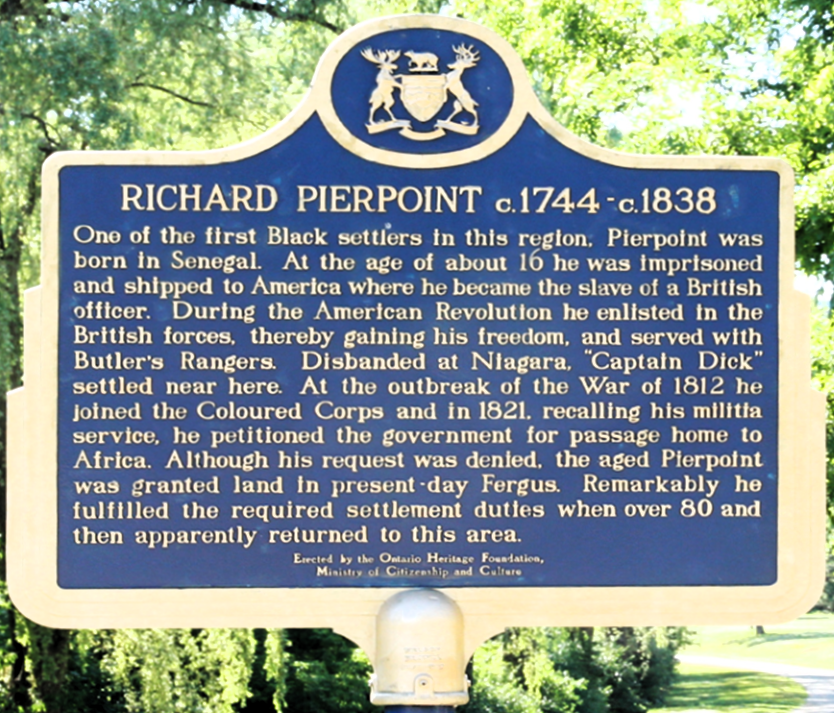 Richard Pierpoint & others petition for tract of land for formerly enslaved Black farmers
By the 1820s, one of the main complaints from farmers in Niagara was the lack of general labourers. Lands granted to Loyalists required improvement before people could gain official title to them. Free Black men living in Niagara were given land grants as “Loyalists” but had a hard time developing those properties because they lacked family support as wives and children who were still enslaved in the American colonies. To solve this problem, in 1794, nineteen Black Loyalists delivered a petition to Governor Simcoe.
-
 Assembly line at Ophardt Hygiene Technologies Inc. in Beamsville
 - makers of dispensers of soap, sanitizer, paper towels and toilet paper.
-
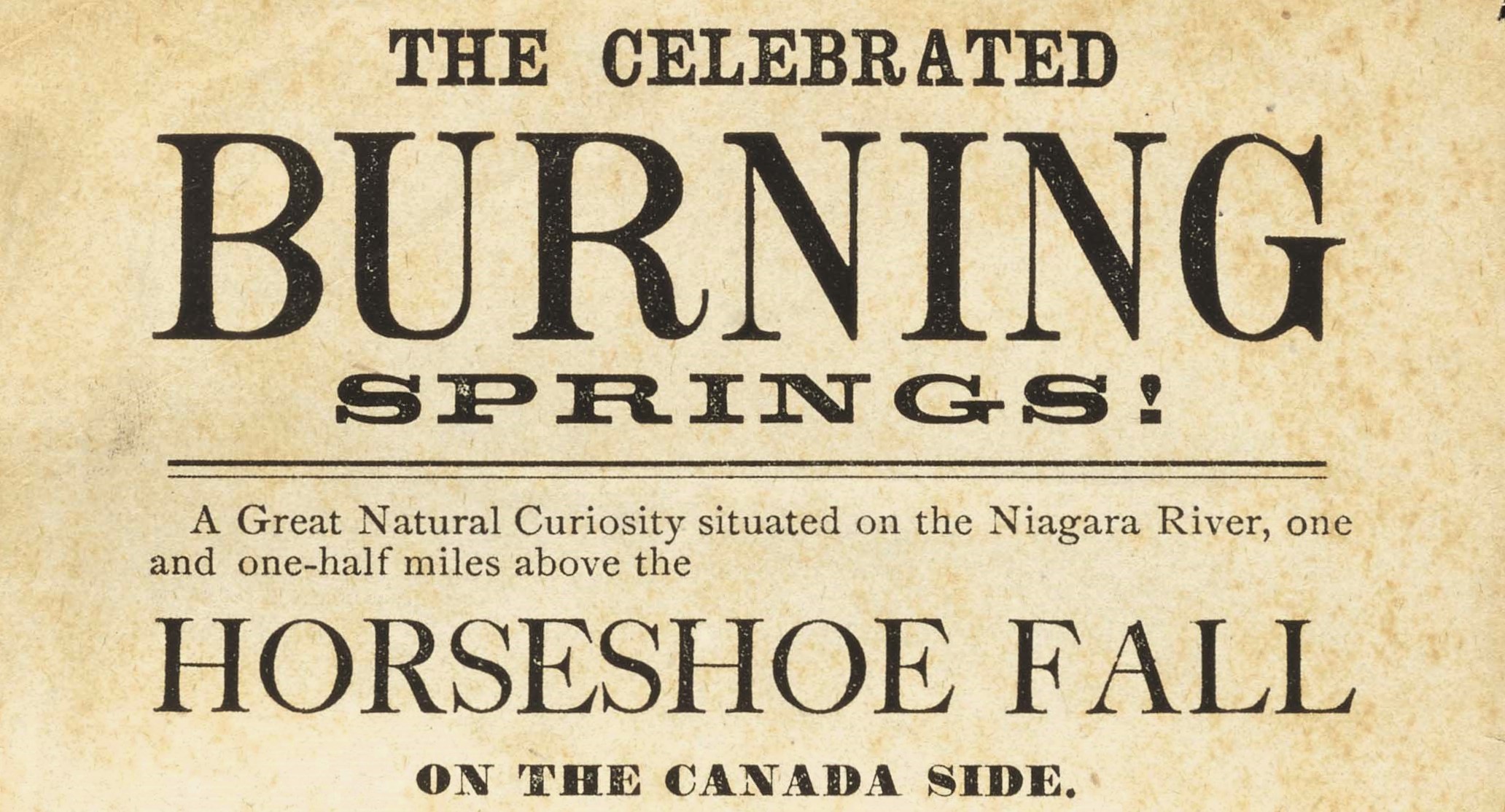 The Burning Springs and the Commercialization of Niagara Falls
More than 200 years ago, a sulphur-smelling spring with natural gas bubbling to the surface was discovered on the Canadian side of the Niagara River, above the Horseshoe Falls. Local businessmen Thomas Clark and Samuel Street decided to turn it into a tourist attraction named the Burning Springs. It quickly became a curiosity mentioned in a number of traveler accounts throughout the 1800s and is said to have been one of the earliest tourist attractions in Niagara Falls.
-
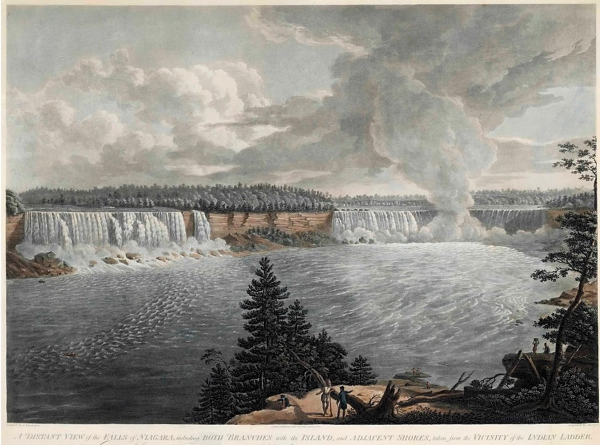 The Use of “Indian Ladders”: Early Technological Advancements as Tourist Attractions at the Niagara Gorge
During the earlier years of Europeans' arrival in the Niagara area, feats of human engineering that made trails and roads more accessible became part of the attraction these new visitors would recount to friends and colleagues when they returned home.
The Haudenosaunee, inhabiting the lands around the Niagara River, crafted trees into makeshift ladders to climb in and out of the Niagara Gorge. European travellers' accounts from the late 1700s describe these as thin cedar or pine trees with severed branches, naming them “Indian Ladders.”
-
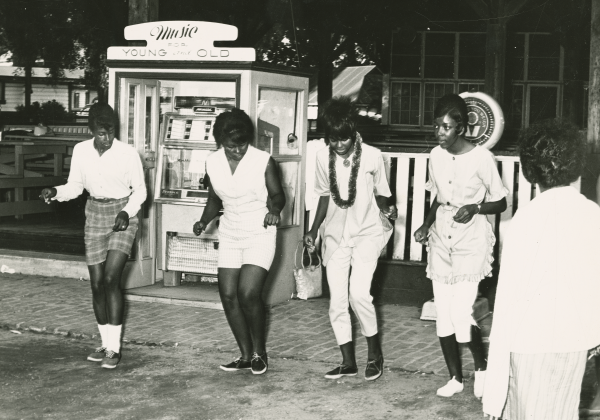 The Emancipation Day Picnic
Lakeside Park in Port Dalhousie was, and still is, the location for Emancipation Day celebrations, also known as the “Big Picnic,” held annually on the first Thursday in August. The Big Picnic commemorated the emancipation of enslaved people within the British Commonwealth on August 1, 1834, and included a variety of food, drinks, and activities for the Black community. The event brought thousands of people to Niagara in celebration.
-
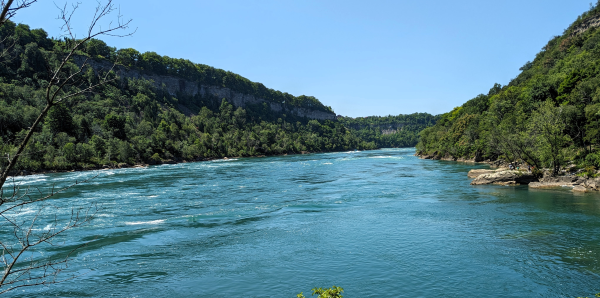 Margherita Howe’s Legacy: Operation Clean Niagara and the Niagara River Cleanup
For more than 100 years, Canada and the United States have shared the struggle of cleaning up the chemicals and industrial pollution in the Niagara River.
It was the ferocious spirit and unwavering commitment of one Niagara-on-the-Lake woman, Margherita Howe, who not only forced governments to address pollution in the Niagara River but also created lasting change in the quality of life not only for Niagara residents but for the entire Great Lakes ecosystem.
-
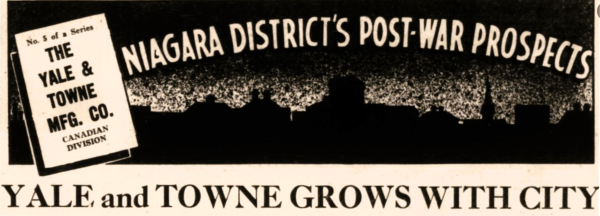 Niagara’s Post-War Prospects
During the Second World War, the Canadian economy was completely transformed to produce goods for the Allied forces under wartime contracts coordinated by the Department of Munitions and Supply. Most of Niagara’s manufacturers were engaged in important war-time production. They produced military parachutes, ammunition, parts for military trucks, tanks, and vessels, rubber, and other military implements.
In 1946, the St. Catharines Standard profiled 17 Niagara businesses over nine months, highlighting their contribution to the peace-time economy in a series it called “Niagara District’s Post-war Prospects”. These articles provided insight into how Niagara’s manufacturing sector responded to post war reconstruction and demonstrated the Niagara worker’s concerns about the peace-time economic climate.
-
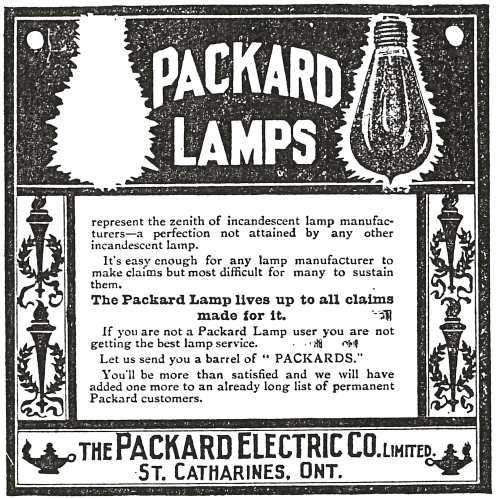 Isabella Frampton Hawken: Leading Ladies in Niagara’s Manufacturing Industry
Isabella Frampton Hawken, was the primary owner and operator of the Dominion Electric Company in St. Catharines in the 1910s and into the 1920s. This was a very rare position for a woman in this industry for this time period. Isabella’s business career not only shows what an exceptional person she was but it also gives insight into the experience of some women had in the manufacturing industry in the early-20th century.
-
 The History of Manufacturing in Niagara, Pre-1969
A brief video overview of the history of industry and manufacturing in the Niagara area up to 1969.
-
 The History of Tourism in Niagara, Pre-1969
A brief video overview of the history of tourism in the Niagara area up to 1969.
-
 The History of Agriculture in Niagara, Pre-1969
A brief video overview of the history of agriculture in the Niagara area up to 1969.
-
 The History of Hydroelectric Power Generation in Niagara, Pre-1969
A brief video overview of the history of hydroelectric power development in the Niagara area up to 1969.
-
 A History of Marine Transportation in Niagara, Pre-1969
A brief video overview of the history of marine transportation in the Niagara area up to 1969.
-
 Clifton Hill in early evening
Photo of the lights and activity of Clifton Hill in Niagara Falls, Ontario, in the early night.